June 11, 2026
Improving a home’s outdoor space can make the property more attractive, more useful, and more appealing to future buyers. Hardscaping refers to the non-living features in a yard, such as patios, walkways, retaining walls, outdoor kitchens, fire pits, water features, and seating areas. These additions create structure, improve flow, and help homeowners use more of their property throughout the year.
Unlike plantings that change with the seasons, hardscaping creates lasting outdoor features that can support daily living, entertaining, dining, and relaxing. A thoughtfully designed space can turn an open yard into an extension of the home. Whether a homeowner wants a simple stone pathway or a complete outdoor living area, the right design can add comfort, beauty, and long-term value.
1. The Basics of Outdoor Design
1.1 Understanding Built Features vs. Landscaping
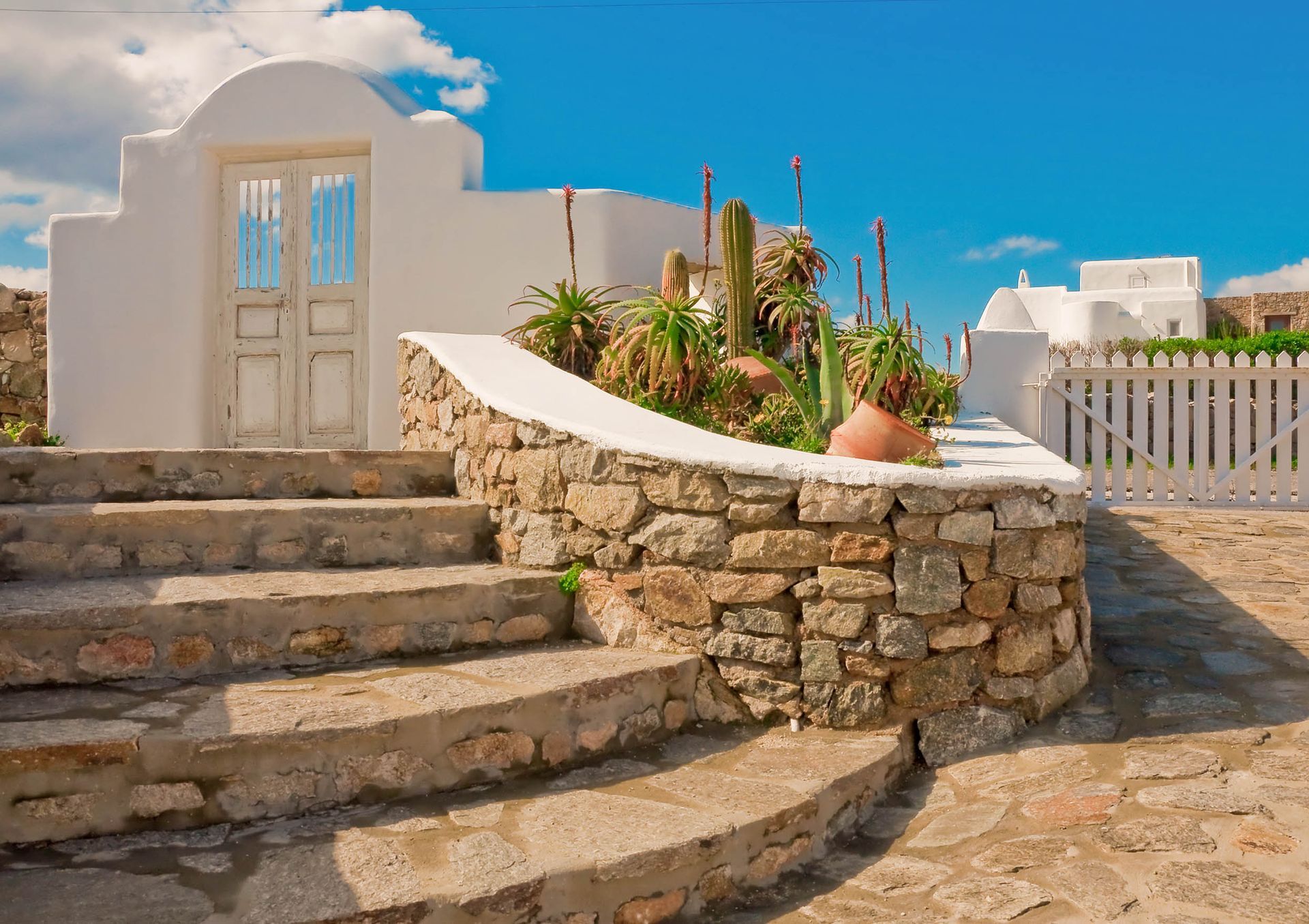
Landscaping and hardscaping work together, but they are not the same. Landscaping includes living elements such as grass, shrubs, flowers, trees, and garden beds. Hardscaping includes the solid features that shape and support the outdoor area. Patios, walkways, retaining walls, steps, driveways, decks, and built-in seating all fall into this category.
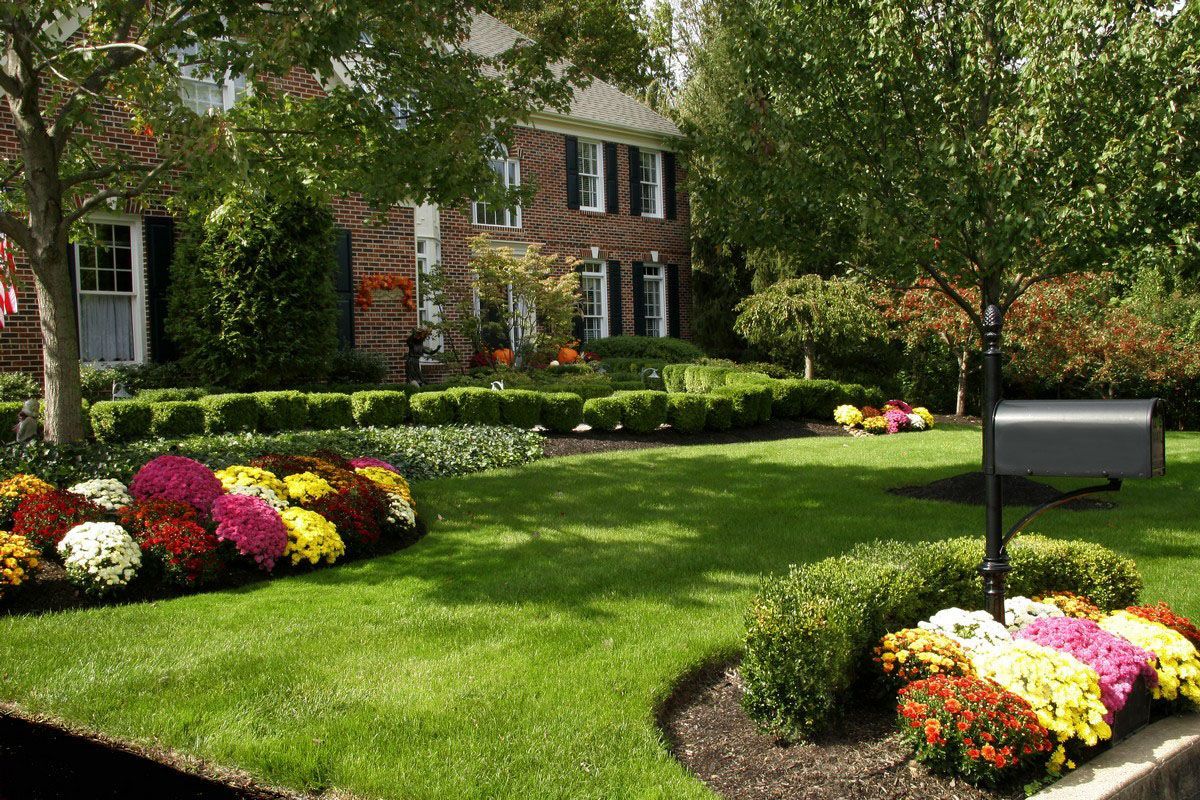
The best outdoor designs use both soft and solid features in a balanced way. Plants add color, movement, shade, and seasonal interest, while built features provide structure and function. A paved seating area, for example, can create a clear place for outdoor dining, while nearby plantings soften the look and help the area feel connected to the rest of the yard.
According to How Stuff Works, because hardscape stands out from foliage so well, you may need only one statue, birdbath, or large rock to do the trick. This shows how even a single well-placed feature can bring visual interest to a yard without overwhelming the design. Sometimes, one focal point can make the entire area feel more polished.
1.2 Common Materials Used in Outdoor Projects
Material choice plays a major role in the appearance, durability, and maintenance needs of an outdoor project. Stone, brick, concrete, gravel, wood, and composite materials are all common options. Each material creates a different style and performs differently based on weather, foot traffic, and the type of feature being built.
Natural stone is popular for patios, walkways, borders, and garden walls because it offers a timeless look. Brick can create a classic and orderly appearance, especially for paths and courtyards. Concrete is versatile because it can be poured, stamped, stained, or shaped to fit many design styles. Gravel works well for informal paths and drainage-friendly areas, while wood and composite materials are often used for decks, pergolas, and seating structures.
Homeowners should consider more than appearance when selecting materials. A shaded yard, a sloped property, or an area with heavy rainfall may need specific surfaces or drainage solutions. Permeable pavers, for example, can reduce runoff by allowing water to filter into the ground. Durable materials can reduce repair needs over time, making hardscaping a practical investment.
1.3 The Value of a Cohesive Design
A strong outdoor design should look like it belongs with the home. Colors, shapes, textures, and materials should support the architecture instead of competing with it. A modern home may pair well with smooth concrete, clean lines, and simple seating areas. A traditional home may look better with brick, natural stone, curved paths, and classic garden borders.
Cohesion also helps the yard feel larger and easier to use. Repeating the same stone, paver color, or edging material in different areas can create a connected look. A walkway that leads naturally from the driveway to the front door, then continues toward a patio or garden, helps guide movement through the property.
Good design also considers how the space will be used. A family that enjoys hosting may want a large patio, outdoor kitchen, and fire feature. A homeowner who prefers quiet mornings outside may want a small seating area, garden path, and water feature. When hardscaping is designed around real daily habits, it becomes part of how people live in the home.
1.4 Environmental Considerations
Outdoor improvements can be attractive while also supporting responsible property care. Sustainable planning often includes permeable surfaces, recycled materials, locally sourced stone, efficient lighting, and drought-tolerant plantings.
Drainage is especially important. Poorly planned patios, walkways, or retaining walls can cause water to collect near the home or flow into unwanted areas. A well-planned project directs water safely, protects soil, and supports the surrounding landscape. Retaining walls can also help manage slopes, reduce erosion, and create usable space on uneven properties.
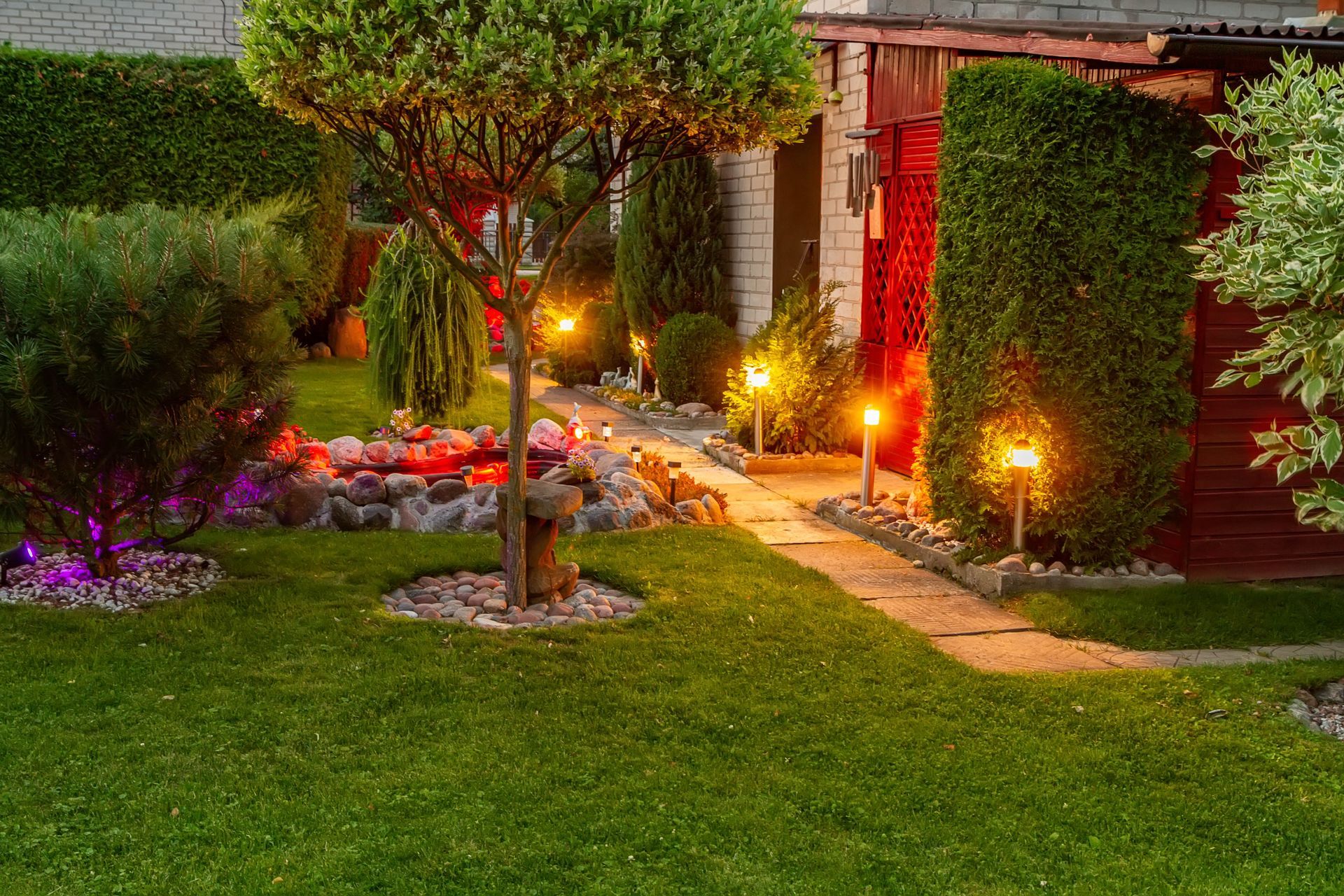
Lighting can also be handled with efficiency in mind. Solar lights and LED fixtures can brighten steps, paths, patios, and gathering spaces while keeping energy use low. Careful lighting improves safety and atmosphere after dark.
1.5 Maintenance Requirements
One reason homeowners choose hardscaping is that many solid outdoor features require less routine care than lawns and planting beds. However, low maintenance does not mean no maintenance. Patios may need sweeping, washing, and occasional sealing. Pavers may need joint sand refreshed. Wood features may need staining or protective treatments. Retaining walls should be checked for movement, drainage issues, or cracks.
Regular care helps outdoor structures keep their appearance and function. Weeds may grow between stones or pavers if joints are not maintained. Cracked concrete or uneven walkways should be addressed before they become safety concerns. Drainage areas should be kept clear so water can flow properly. Small maintenance steps prevent larger repairs later.
Professional installation can also affect long-term performance. A patio is only as reliable as the base beneath it. A walkway needs proper grading. A retaining wall needs drainage and structural planning. When these features are installed correctly, homeowners can enjoy stronger results, better appearance, and longer-lasting value.
2. Designing Outdoor Living Spaces
2.1 Creating Functional Areas
Outdoor living spaces can make a yard feel like another room of the home. A patio can become a dining area. A fire pit can create a gathering spot. A pergola can define a shaded lounge. Built-in seating can make a small yard more efficient.
Function should guide the layout. A dining area should be close enough to the kitchen for convenience. A fire feature should have safe spacing around it. A play area should be visible from common seating areas. Paths should connect key spaces without forcing people to walk across grass, mud, or planting beds.
Flexibility is also important. A space that works for everyday use and occasional gatherings will likely provide more value over time. Movable furniture, modular seating, and open patio layouts allow homeowners to adjust the area as their needs change. This adaptability helps hardscaping remain useful over time.
2.2 Family-Friendly Patio Designs
A family-friendly patio should be comfortable, safe, and easy to use. Ample seating, shaded areas, outdoor dining space, and non-slip surfaces can make the patio more inviting for both adults and children. Smooth transitions from the house to the patio can also make the area easier to access during meals, celebrations, or quiet evenings outside.
Storage can improve the function of a family patio. Benches with hidden compartments, deck boxes, and built-in cabinets can hold cushions, toys, garden tools, and grilling supplies. These features keep the area organized while preserving a clean appearance. A clutter-free patio is easier to enjoy.
Safety should be part of the design. Good lighting, clear pathways, stable surfaces, and defined edges can help prevent trips and falls. If the patio is near a pool, slope, or driveway, fencing or gates may be helpful. When hardscaping supports comfort and safety, the space becomes more useful.
Hardscaping can add lasting value by improving how an outdoor space looks, feels, and functions. From patios and pathways to outdoor kitchens, lighting, water features, and retaining walls, these upgrades help homeowners make better use of their property. With cohesive design, durable materials, responsible drainage, and regular maintenance, outdoor spaces can become more beautiful, practical, and appealing for years to come. Contact Wade Landscaping & Construction today to learn more.