October 7, 2026
As fall approaches, focusing on your yard becomes essential for both short-term curb appeal and long-term winter preparation. Fall offers mild weather and warm soil, making it the ideal season to enhance outdoor spaces, so they remain vibrant despite cooler temperatures. By undertaking strategic outdoor projects now, you lay the groundwork for a flourishing spring bloom while protecting your investment against harsh winter conditions. Partnering with an experienced landscaping contractor ensures these seasonal projects are executed with expert precision and tailored care.
1. Upgrading Garden Beds with Seasonal Planting
Selecting Fall-Appropriate Plants
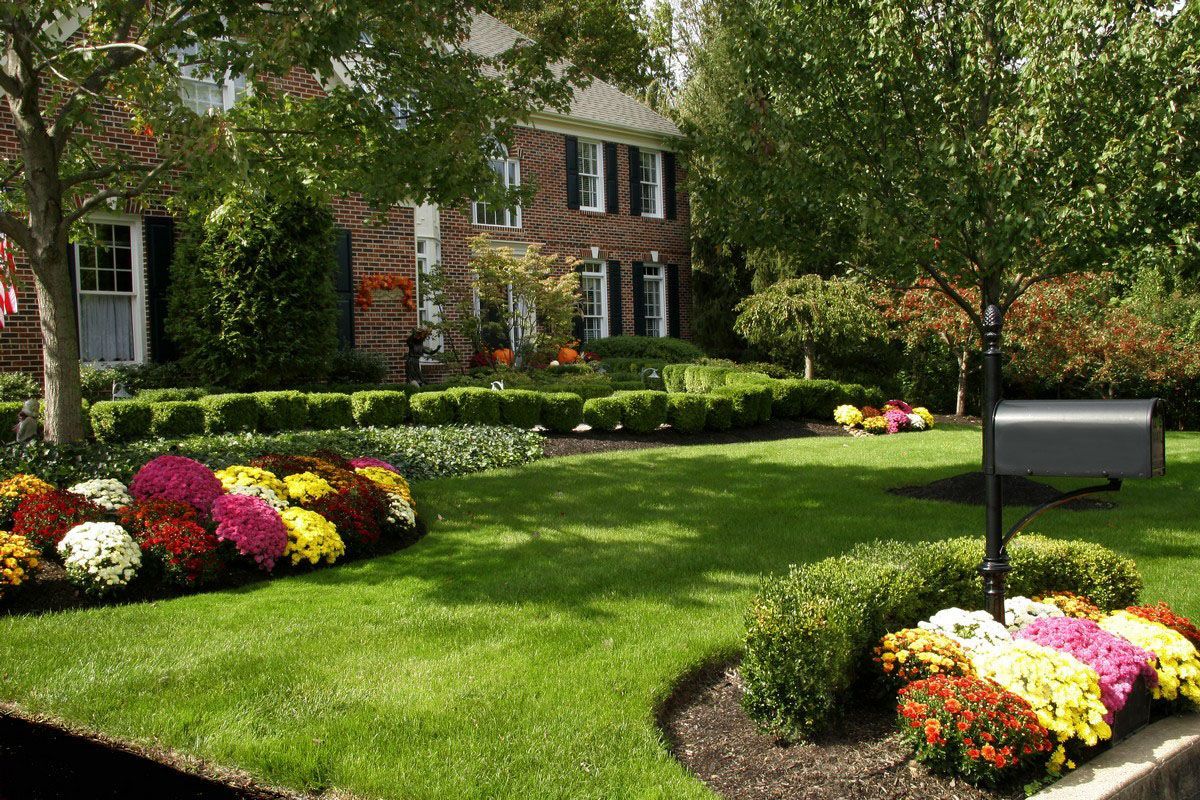
Selecting suitable plants for fall involves understanding the distinct climatic conditions of the season. Hardy perennials such as asters and chrysanthemums flourish during autumn, bringing vibrant colors that elevate your home's exterior. Spring-blooming bulbs like daffodils and tulips established now will develop strong root systems before the first hard freeze, ensuring an early burst of color once the winter thaw concludes.
According to This Old House, a two- to four-inch layer of mulch should be applied around young plants in the fall. This protective barrier insulates root systems against sudden temperature drops while suppressing invasive weeds that compete for soil nutrients. Beyond perennials, incorporating evergreens like holly or fir provides structure and enduring foliage throughout the winter when other species lie dormant.
A knowledgeable landscaping contractor can offer guidance on selecting native varieties suited to your specific soil chemistry and hardiness zone, ensuring a resilient garden year-round that flourishes in every season. Careful plant selection also helps reduce long-term watering needs and continuous garden maintenance.
Conditioning Soil for Future Growth
Preparing soil in autumn directly impacts future plant health and systemic root vigor. Aerating compacted soil improves oxygen exchange and promotes deep root development, while integrating organic compost enriches overall nutrient availability. Applying specialized fall fertilizers high in potassium strengthens root structures against frost damage. Conditioning your beds before the ground freezes creates a stable, nutrient-dense foundation that encourages rapid, lush growth when warmer weather returns.
2. Installing New Trees and Shrubs
Capitalizing on Autumn Root Development
Fall provides ideal conditions for installing new trees and ornamental shrubs throughout your landscape. Cool air temperatures paired with warm soil allow root systems to establish without the evaporative stress caused by intense summer heat. Planting during autumn gives woody plants several months to anchor deeply into the soil before entering winter dormancy, establishing a robust underground network that supports explosive growth come springtime.
Minimizing Transplant Shock
Proper installation techniques significantly reduce transplant shock and promote long-term stability. Keeping root balls moist and avoiding heavy top-pruning helps newly installed trees focus their energy entirely on root expansion. Working alongside professional landscaping contractors guarantees proper planting depth, strategic staking against high winds, and correct soil amendments, ensuring your new trees survive severe winter weather and thrive for decades to come. Taking these extra measures prevents wind rock and protects tender bark from the sun during frigid winter days.
3. Implementing Mulching and Composting Strategies
Protecting Root Systems
Applying organic mulches, such as shredded bark, pine needles, or decomposed leaf mold, serves as essential insulation for your entire landscape. A thorough layer of mulch regulates soil temperature, retains critical moisture during dry fall spells, and prevents frost heaving, which can push tender plant roots out of the ground during frequent freeze-thaw cycles.
Enriching Soil Naturally
Combining mulching with fall composting boosts overall soil biology and subterranean earthworm activity. Integrating organic matter like decomposed leaves and garden waste enriches the micro-environment, providing a steady, continuous release of vital nutrients over the cold months. A professional landscaping contractor can help you determine the optimal mulch type and application depth for your specific plant varieties to maximize protection and long-term soil health.
4. Building Custom Hardscaping Elements
Defining Functional Spaces
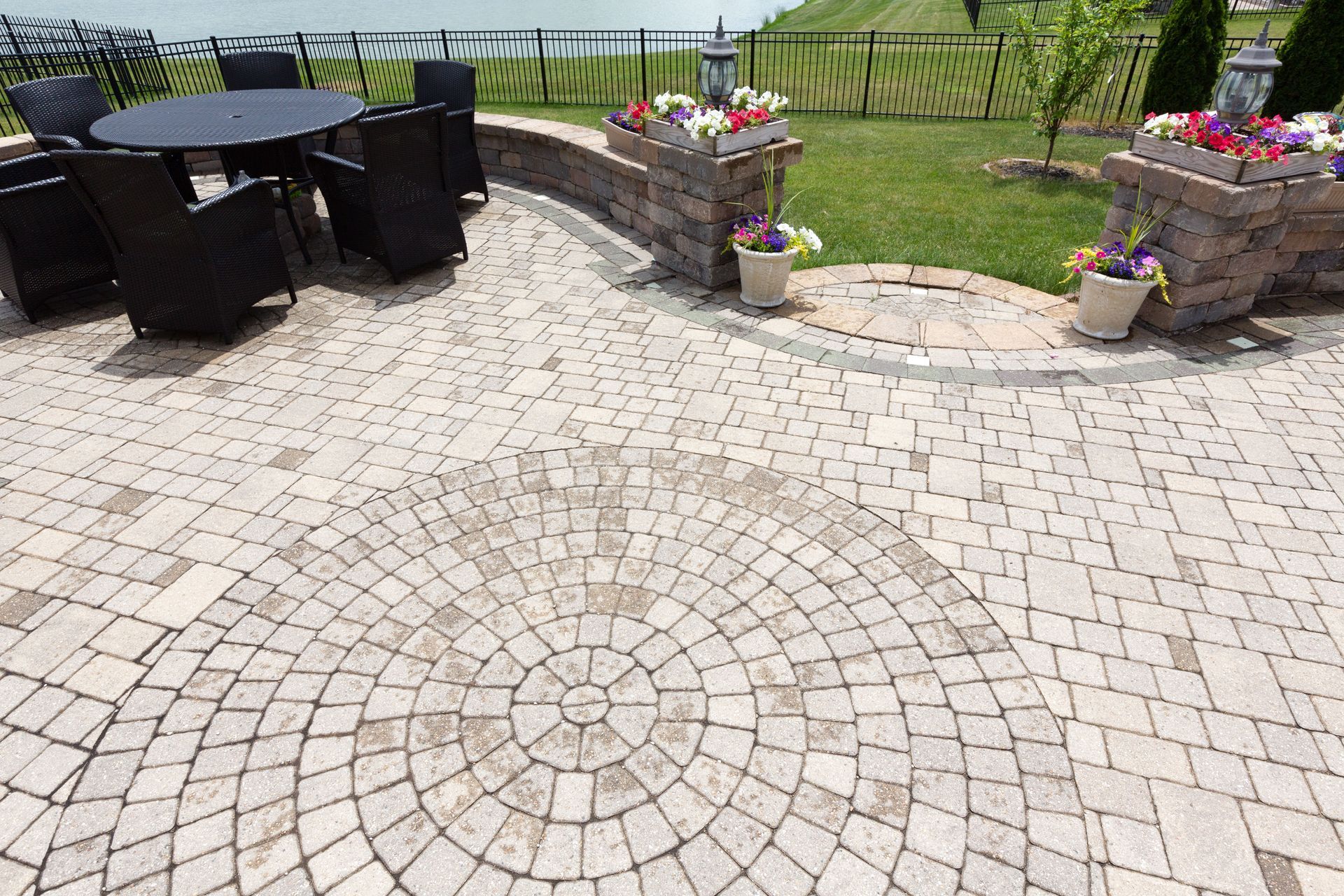
Hardscaping elements like stone pathways, retaining walls, paved patios, and concrete steps form the structural backbone of a landscape. Executing hardscape construction during fall allows building materials to settle properly in moderate weather without the extreme thermal expansion caused by severe summer heat or unpredictable early spring rains.
Juxtaposing Soft and Hard Textures
Integrating hard features creates clear functional boundaries, improves drainage patterns, and adds visual depth to your yard. Stone walkways or custom fire pits provide cozy areas for autumn gathering while creating a striking architectural contrast against soft lawn turf, ornamental grasses, and dynamic fall foliage. Adding these permanent features can also substantially boost your overall property value.
5. Adding Landscape Lighting for Safety and Style
Illuminating Architectural Features
As daylight hours shorten, low-voltage outdoor lighting extends the usability of your outdoor spaces well into the evening. Strategically positioned LED uplights illuminate focal points like specimen trees, stone pillars, or custom water features, transforming your yard into a dramatic evening landscape that can be enjoyed from inside or outside the home.
Improving Walkway Safety
Beyond aesthetics, outdoor illumination mitigates safety hazards along dark pathways and stairs. Proper fixture placement prevents trips and slips during rainy or icy autumn nights while discouraging potential trespassers. Professional landscaping contractors can design energy-efficient lighting arrangements that balance ambient warmth with functional security around driveways, walkways, and patio entryways.
6. Creating Comfortable Outdoor Living Areas
Designing Warm Gathering Spaces
Outdoor living areas function as comfortable extensions of your indoor living space, allowing you to maximize your property's footprint. Installing features like outdoor kitchens, covered pergolas, or custom stone fire tables lets you comfortably enjoy the fresh autumn air despite dropping temperatures.
Selecting Weather-Resistant Materials
Designing for autumn requires durable, weather-resistant materials like natural flagstone, composite decking, and weather-treated hardwoods that resist moisture absorption and cracking. Positioning seating arrangements to block prevailing winds or capture morning sunlight maximizes physical comfort, turning your backyard into a multi-season retreat for family and friends. Incorporating plush, all-weather cushions and outdoor heaters can make these spaces usable well into late autumn.
7. Maximizing Visual Impact with Color and Texture
Coordinating Seasonal Palettes
Autumn offers a rich palette of deep reds, burnt oranges, golden yellows, and deep purples. Pairing colorful autumn foliage with structural ornamental grasses and bold evergreens creates a visual contrast that keeps your property dynamic through late fall and early winter.
Mixing Organic and Structural Details
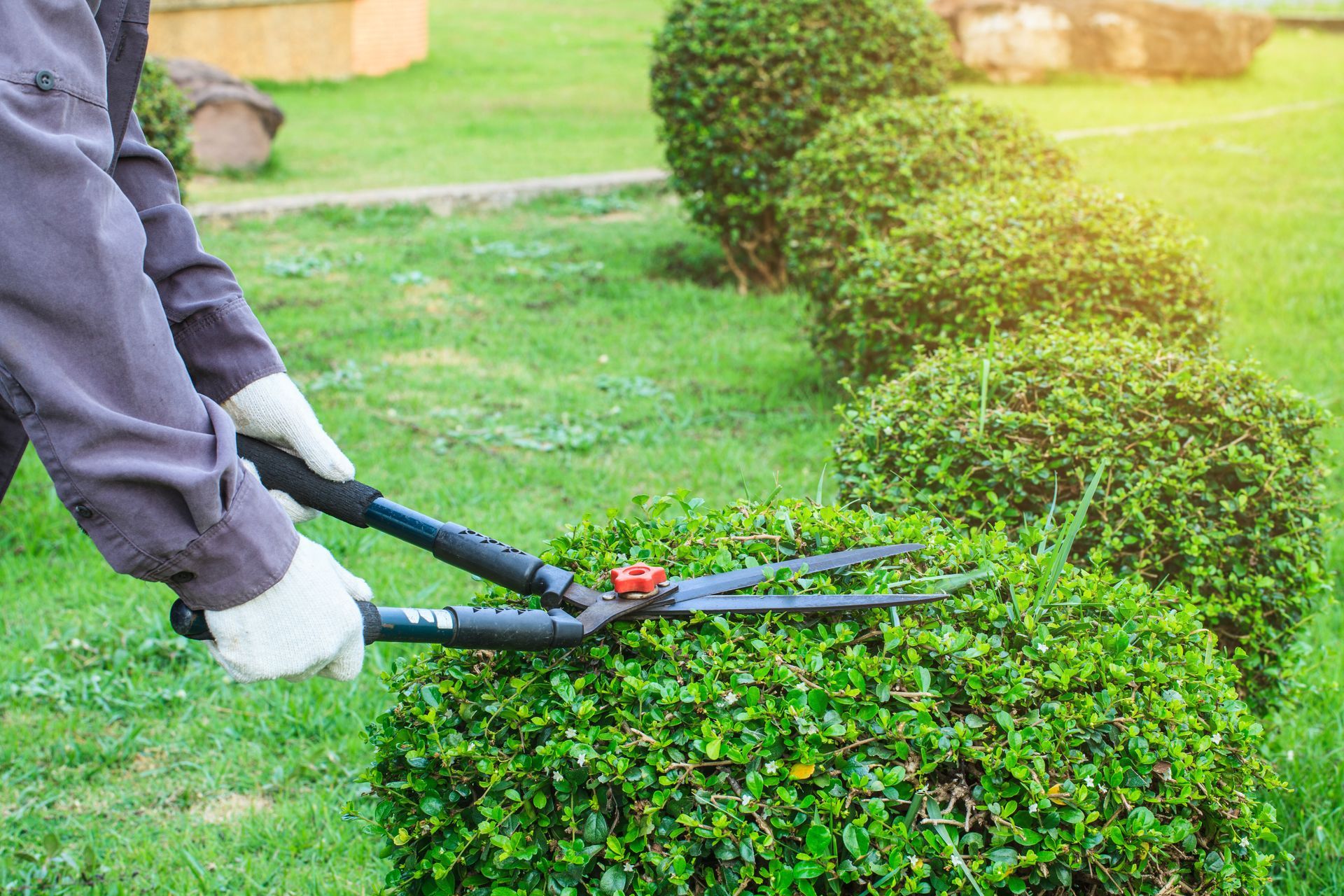
Combining soft foliage with hardscape elements, such as fieldstone boulders, metal planters, or timber arbors, adds layered complexity to the landscape design. Professional design services ensure these colors, shapes, and textures are harmoniously arranged to maintain high curb appeal during seasonal transition periods.
8. Performing Essential Fall Lawn Care and Maintenance
Clearing Leaves and Debris
Regularly removing fallen leaves and accumulated lawn debris is vital for turf health. Thick layers of wet leaves suffocate grass blades, block necessary sun exposure, and trap excess moisture, creating prime conditions for fungal diseases and lawn dieback over winter.
Aerating, Overseeding, and Mowing
Core aeration relieves soil compaction caused by heavy summer foot traffic, allowing water, oxygen, and nutrients to penetrate deep into the root zone. Following aeration with overseeding introduces resilient grass varieties to fill bare patches. Lowering your mower blade slightly during late fall cuts prevents matted grass that attracts snow mold over winter, keeping the lawn healthy.
Transforming Your Property This Autumn
Investing in thoughtful autumn outdoor projects protects your property value and sets the stage for a pristine, low-maintenance spring environment. Whether you are adding durable hardscaping, installing mature trees, or preparing your soil beds for the winter chill, expert guidance ensures lasting success and visual harmony.
Ready to elevate your outdoor space? Partner with the expert team at Wade Landscaping & Construction today to schedule your seasonal consultation with a premier landscaping contractor and bring your autumn vision to life.