March 20, 2026
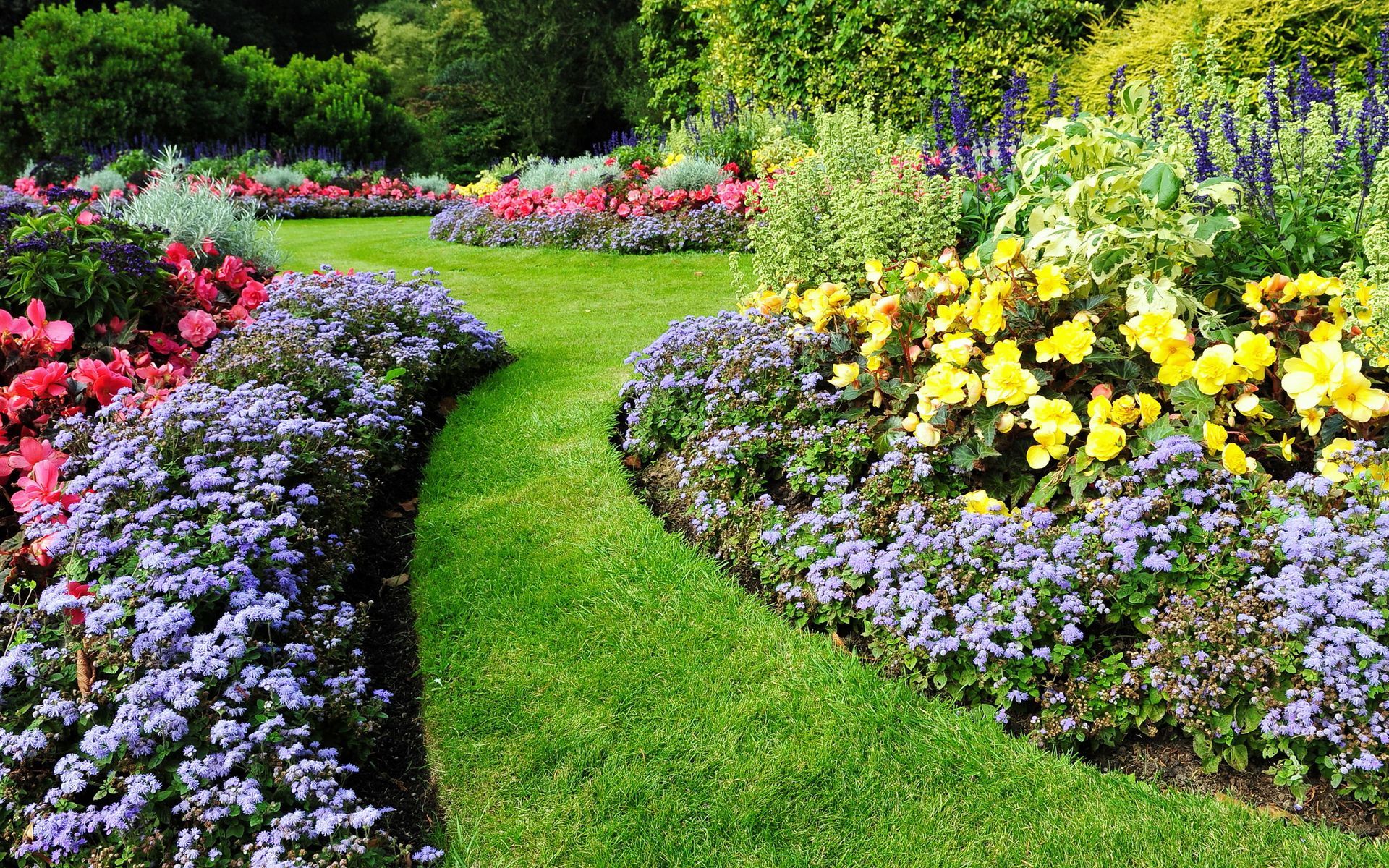
Welcome to your new home! As you embark on this exciting journey of turning a house into your dream home, one critical aspect to consider is landscaping. Proper preparation is essential for creating a beautiful and sustainable landscape that enhances your new living space. With the help of a professional landscaper, you can turn your drab outdoor space to an outdoor oasis. This guide will provide step-by-step instructions to help you plan and execute the perfect landscaping project. Transforming the exterior can significantly elevate the curb appeal and add value to your property.
1. Assessing Your Land
1.1 Understanding Your Soil Type
The foundation of any successful landscaping project begins with understanding your soil type. Soil types can vary significantly, including clay, sandy, silt, and loamy soils, each with distinct characteristics. To identify your soil type, you can perform a simple jar test by mixing soil with water and letting it settle, distinguishing different layers. Knowing your soil type helps determine its drainage capabilities and nutrient availability. This knowledge is crucial for selecting plants that will thrive in your garden, ensuring a vibrant and healthy landscape.
1.2 Analyzing Sunlight and Shade Patterns
The sunlight and shade patterns in your yard will guide your landscaping decisions. Observe your garden at different times of the day to identify areas with full sun, partial shade, or full shade. Knowing these patterns helps you plant species in suitable locations, maximizing their growth and health. For example, sun-loving plants like roses and lavender thrive in areas with direct sunlight. In contrast, plants like ferns and hostas are better suited for shaded spots.
1.3 Evaluating Drainage and Water Sources
Effective drainage ensures that your garden does not become waterlogged, which can damage plants. Observing water flow during rainfall and looking for pooling areas can help assess drainage. Consider installing drainage solutions like French drains or swales if poor drainage is a concern. Additionally, identifying nearby water sources, such as a well or municipal water line, can inform irrigation strategies. Efficient water management is essential for maintaining a healthy landscape and optimizing water usage.
1.4 Identifying Existing Plants and Trees
Before making any changes, take stock of the existing plants and trees in your yard. Identifying species can help you decide which to keep, relocate, or remove based on your landscaping goals. Mature trees can provide shade and structure to your landscape, while native plants might require less maintenance. Assessing health is important to prevent the spread of diseases or pests to newly introduced plants. Understanding your existing flora allows you to integrate them seamlessly into your landscape design.
1.5 Considering the Topography and Slope
The natural topography and slope of your yard play a critical role in landscape design. Sloping areas may require terracing or retaining walls to prevent erosion and create flat planting spaces. Use the landscape's contours to guide water drainage naturally, minimizing runoff issues. With careful planning, slopes can be transformed into eye-catching focal points, enhancing visual interest. Understanding the physical characteristics of your land allows you to work with, rather than against, nature.
2. Planning Your Landscape Design
2.1 Establishing Your Landscaping Goals
Before diving into your landscaping project, articulate clear goals for what you want to achieve. Consider functionality, such as creating play areas for children, spaces for entertaining guests, or a private retreat. Environmental considerations, like incorporating native plants or creating habitats for wildlife, can also guide your design. Aligning your objectives ensures that the landscape serves your needs while enhancing aesthetic appeal. Establishing goals provides a focused vision that informs subsequent design choices.
2.2 Creating a Budget and Timeline
Budgeting your landscaping project is crucial to avoid overspending and ensuring that your vision is financially feasible. According to Homeguide, Realtors recommend spending 5% to 15% of the total home value on landscaping. Factor in costs for materials, plants, labor, and unexpected contingencies when planning your budget. Alongside, set a realistic timeline that accounts for seasonal planting windows and project phases. A well-defined budget and timeline provide structure and help track progress efficiently.
2.3 Drafting Your Landscape Layout
Creating a landscape layout involves sketching a detailed plan, illustrating plant beds, hardscape elements, and other features. Use graph paper or digital design software to visualize placements and spatial arrangements. Incorporate existing structures, pathways, and utility lines into your design to ensure coherence and practicality. An effective layout leverages balance, symmetry, and focal points to create a harmonious outdoor space. This blueprint serves as a visual guide during implementation, ensuring your vision is realized.
2.4 Selecting Plants, Trees, and Shrubs
Choose plants, trees, and shrubs that align with your soil type, sunlight availability, and climate. Native plants are an excellent choice for sustainability, as they require less water and care. Consider diversity in plant choices for aesthetic appeal, seasonal interest, and attracting beneficial wildlife. Factor in maintenance requirements as some species demand more attention than others. Striking the right balance between variety and cohesion creates a visually appealing and manageable garden space.
2.5 Incorporating Hardscape Elements
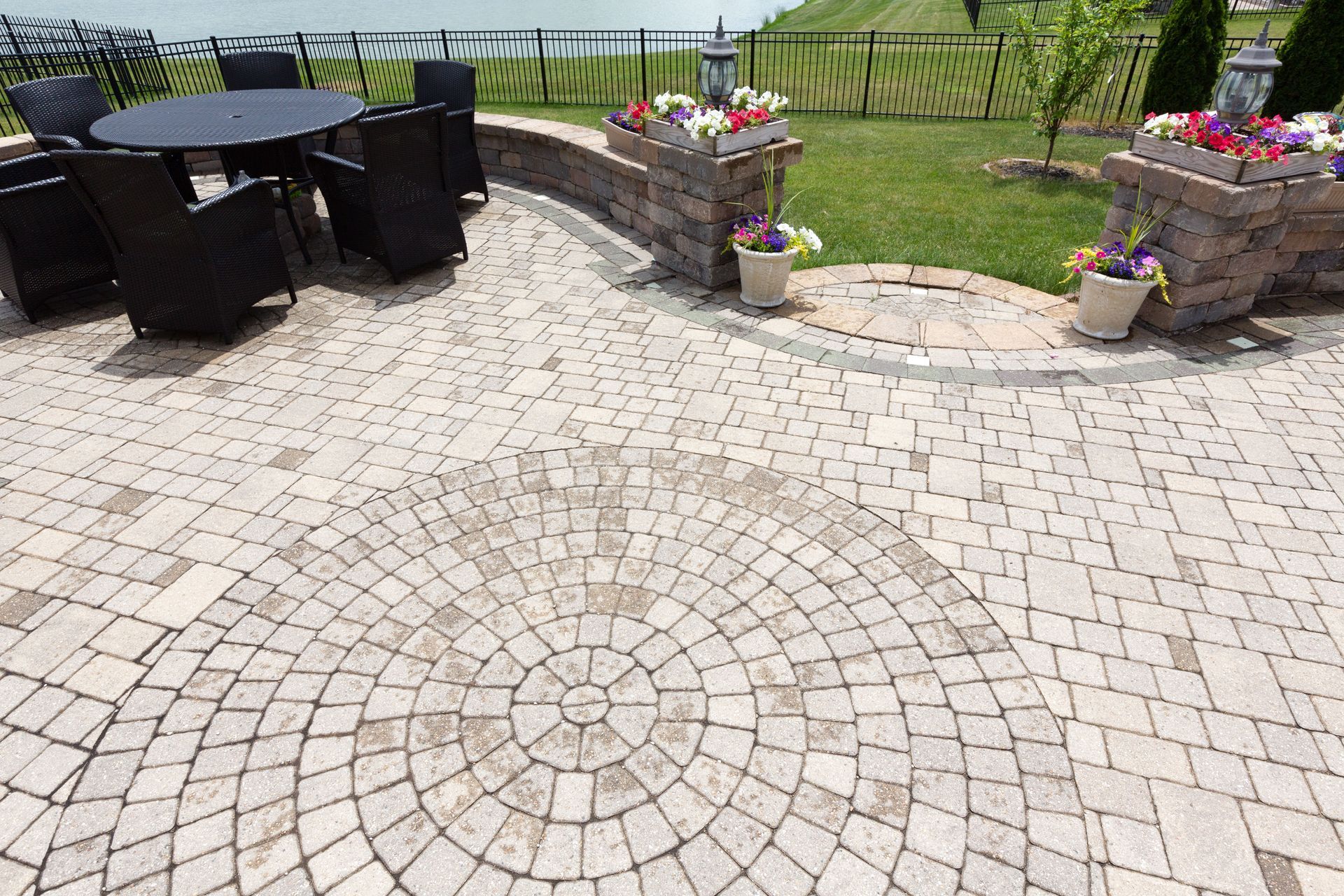
Hardscape elements such as paths, patios, and retaining walls add structure and functionality to your landscape. Materials like stone, brick, and wood can complement the natural surroundings, offering contrast and interest. Consider durability and maintenance when selecting materials to ensure long-lasting features. Integrating hardscapes can define different garden areas, creating distinct zones for various activities. Thoughtfully placed hardscape elements enhance usability while supporting your overall design vision.
3. Preparing the Soil
3.1 Testing Soil Quality and Composition
Understanding soil quality is vital for growing healthy plants, as it impacts nutrient availability and plant health. Conduct soil tests to determine pH levels, nutrient content, and composition. Most local extension services or garden centers offer affordable soil testing. Based on results, you can tailor soil amendments to improve fertility and balance deficiencies. Addressing soil quality early supports plant vitality and sets the stage for a thriving garden.
3.2 Amending Soil to Improve Fertility
Adding organic matter, such as compost or aged manure, boosts soil fertility by enhancing nutrient content and microbial activity. Consider lime or sulfur to adjust pH levels for specific plant needs. Green manure or cover crops can be grown and tilled into the soil to enhance fertility and structure. Select amendments based on soil test results to deliver optimal benefits to your landscape. Amended soils support robust plant growth and simplify maintenance tasks.
3.3 Removing Weeds and Debris
Clearing weeds and debris is essential for preparing planting areas, ensuring healthy plant growth. Manually remove weeds, including roots, to prevent regrowth; consider using a pre-emergent herbicide for persistent weeds. Debris such as leaves, branches, and rocks can hinder soil preparation and create planting obstacles. Establishing a clean slate prepares the soil to receive new plants, promoting optimal growth conditions. Regular maintenance will reduce weed recurrence, keeping beds tidy and manageable.
3.4 Ensuring Proper Soil Aeration
Aeration improves soil structure by enhancing drainage and root penetration. Compacted soils restrict air and water infiltration, which negatively impacts plant health. Use tools like garden forks or aerators to create air pockets, alleviating compaction. This process should be performed before planting or during the growing season to support root development. Aerated soils foster robust root systems, promoting healthy and resilient plants.
3.5 Establishing an Effective Irrigation System
Efficient irrigation ensures that plants receive adequate water, especially in dry periods. Drip irrigation you can consider is installing a sprinkler system to distribute water evenly across the garden. Opt for automated systems with timers to regulate watering schedules and conserve water. Regular maintenance and monitoring are necessary to identify leaks or malfunctioning components. A well-designed irrigation system supports plant health and conserves resources.
With careful planning and thoughtful execution, you can transform the landscape around your new home into a breathtaking haven. By following the outlined steps, you'll be well on your way to preparing a beautiful, functional, and environmentally friendly outdoor area. If you're looking for professional landscaping services to create your dream outdoor oasis, contact Wade Landscaping & Construction today.