March 16, 2026
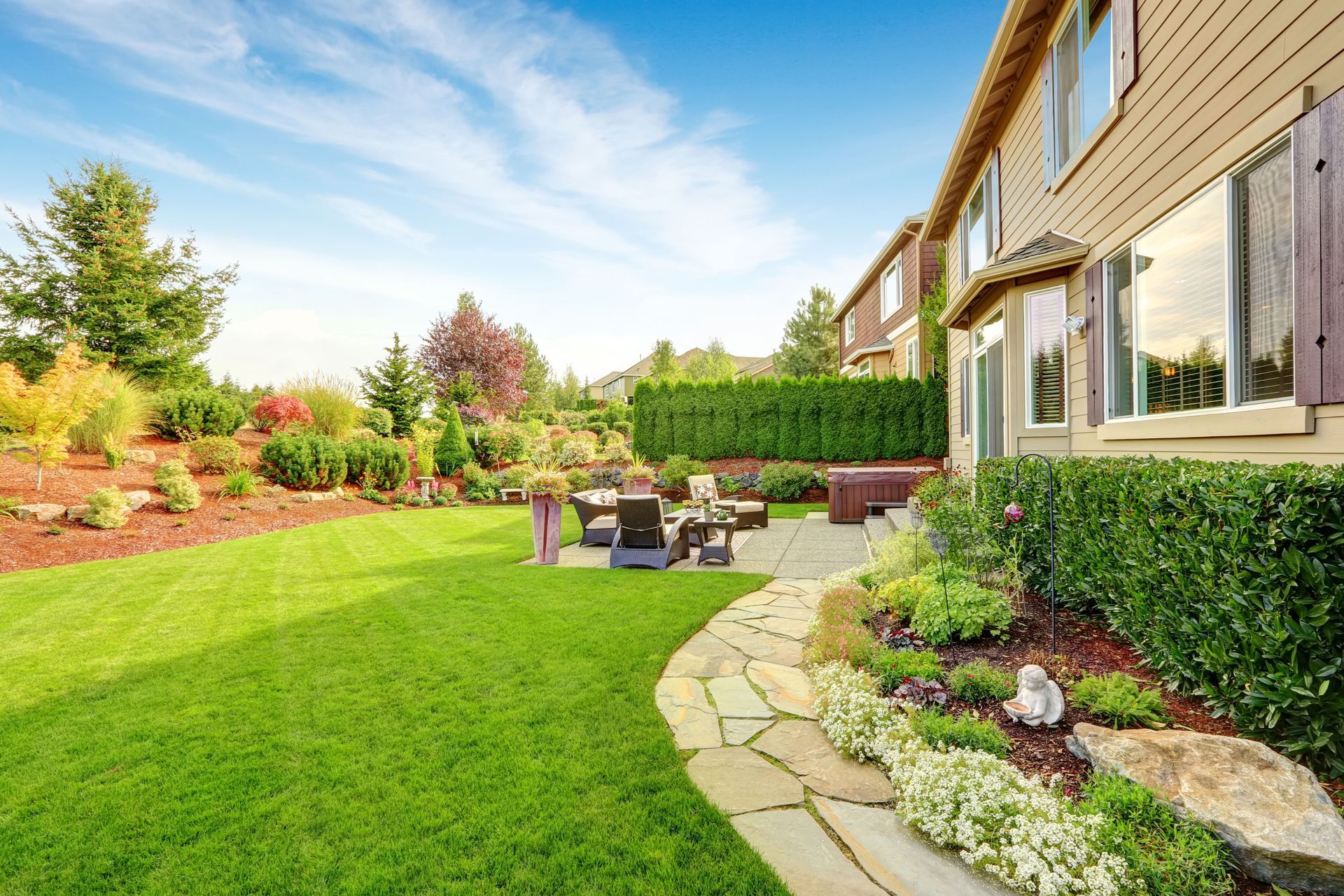
Landscaping plays a major role in how a property looks, feels, and functions over time. Whether it's a residential yard or a commercial outdoor space, the way the landscape is designed and maintained affects usability, curb appeal, and long-term value. Well-planned outdoor areas create inviting environments that support daily routines, seasonal changes, and property goals.
Many property owners underestimate how much strategy goes into effective landscaping. It involves more than mowing grass or planting flowers. Soil conditions, drainage, plant selection, seasonal timing, and maintenance routines all work together to shape the outcome. Professional landscaping services bring structure to these elements, helping outdoor spaces stay healthy and visually balanced year after year.
In this article, we'll break down what landscaping services include, how they benefit different types of properties, and what to consider when planning outdoor improvements.
Understanding the Scope of Landscaping Services
Landscaping services cover a wide range of tasks that support both appearance and functionality. These services are typically customized based on property size, layout, and usage. Some properties may need ongoing maintenance, while others require design upgrades or one-time improvements.
At a foundational level, landscaping often includes lawn care, trimming, edging, and debris removal. These tasks keep outdoor areas neat and manageable. Beyond that, services may extend to planting, mulching, grading, irrigation adjustments, and hardscape support. Each component contributes to the overall health and structure of the landscape.
The scope of work often changes throughout the year. Seasonal transitions affect plant growth, moisture levels, and soil conditions. A comprehensive approach allows landscaping plans to adapt to these changes rather than reacting to problems after they appear.
Exploring the Value of Professional Landscaping Support
Professional landscaping brings consistency and planning to outdoor care. Rather than addressing issues as they arise, structured service schedules help maintain balance across the property. This approach supports healthier plant growth and reduces the likelihood of costly corrections later.
Experienced landscapers understand how different elements interact. For example, mowing height affects root strength, and irrigation timing influences soil stability. Small adjustments can have a large impact over time. When these details are managed correctly, the landscape remains more resilient through weather shifts and seasonal demands.
Property owners also benefit from time savings. Managing outdoor spaces requires regular attention, and professional support removes the burden of ongoing upkeep. This allows homeowners and business owners to focus on other priorities while outdoor areas stay visually appealing and functional.
Recognizing How Landscaping Impacts Property Appearance
First impressions often start outside. The condition of a property's landscape shapes how visitors, customers, or potential buyers perceive the space before stepping indoors. Clean lines, healthy plants, and balanced layouts create a sense of care and organization.
Landscaping also frames architectural features. Trees, shrubs, and walkways guide the eye toward entrances and focal points. When these elements are thoughtfully arranged, they complement the structure rather than competing with it. This visual harmony enhances curb appeal without overwhelming the property.
Over time, consistent landscaping helps properties age more gracefully. Rather than appearing worn or neglected, well-maintained outdoor spaces continue to look intentional and inviting as seasons change.
Evaluating Landscaping Needs for Residential Properties
Residential landscaping focuses on comfort, usability, and personal style. Homeowners often want outdoor spaces that support relaxation, play, and social gatherings. This may include open lawn areas, garden beds, or defined walkways that connect different parts of the yard.
Maintenance plays a major role in residential settings. Regular mowing, pruning, and cleanup keep yards manageable and reduce overgrowth. Healthy landscapes also support better drainage, which helps protect foundations and walkways from water-related issues.
According to Ruby Home, there are 647,741 landscaping businesses in the U.S. as of 2024, highlighting how common and accessible professional landscaping support has become for homeowners seeking consistent outdoor care.
Considering Landscaping Goals for Commercial Properties
Commercial landscaping often prioritizes durability and brand presentation. Businesses rely on outdoor spaces to support foot traffic, visibility, and accessibility. Landscapes must withstand frequent use while maintaining a professional appearance.
Consistency is especially important in commercial settings. Uneven growth or neglected areas can detract from the overall image of a business. Regular service schedules help keep landscapes uniform across seasons, even as weather conditions shift.
Well-planned commercial landscaping also supports safety. Clear walkways, controlled plant growth, and proper drainage reduce hazards and improve navigation for visitors and employees alike.
Planning Seasonal Landscaping Adjustments
Landscaping needs change throughout the year. Spring often focuses on growth preparation, planting, and cleanup after winter conditions. Summer maintenance emphasizes hydration, trimming, and managing rapid plant development.
Fall landscaping supports transition. Leaf removal, pruning, and soil preparation help landscapes recover from warmer months and prepare for cooler temperatures. Winter planning may include protecting plants and managing dormant growth.
Seasonal adjustments allow landscapes to remain balanced rather than overworked. By aligning services with natural growth cycles, properties maintain healthier outdoor environments with fewer disruptions.
Understanding How Landscaping Supports Long-Term Property Health
Landscaping affects more than appearance. Proper grading, drainage, and plant placement help manage water flow and soil stability. These factors protect structures, walkways, and outdoor surfaces from erosion and pooling.
Healthy landscapes also contribute to environmental balance. Well-maintained plants improve air quality, support local ecosystems, and regulate temperature around buildings. Trees and shrubs can provide shade that reduces heat exposure during warmer months.
Over time, consistent landscaping services help properties avoid decline. Addressing small issues early prevents them from becoming larger, more expensive challenges.
Selecting the Right Landscaping Approach
Choosing the right landscaping approach starts with understanding property goals. Some owners prioritize low maintenance, while others want detailed designs and seasonal variety. Clear priorities help shape service plans that fit both budget and expectations.
Communication plays an important role. Sharing long-term goals, usage needs, and concerns allows landscaping plans to align with how the property is actually used. This reduces unnecessary changes and supports more sustainable outcomes.
Flexibility also matters. Landscapes evolve as plants mature and property needs change. An adaptable approach allows services to adjust without losing cohesion or balance.
Knowing When Landscaping Services Add the Most Value
Landscaping services provide value at different stages of property ownership. New properties benefit from structured planning that establishes healthy growth patterns early. Older properties gain from corrective care that restores balance and functionality.
Landscaping can also add value during transitions, such as preparing a property for sale or updating commercial spaces. Clean, organized outdoor areas create stronger impressions and help properties stand out.
Regular service adds ongoing value by maintaining consistency. Rather than cycling between overgrowth and heavy cleanup, structured care keeps landscapes steady and predictable.
Landscaping plays a meaningful role in shaping how properties look, function, and age over time. From improving curb appeal to supporting environmental balance, thoughtful outdoor care delivers benefits that extend beyond surface appearance. Whether for a home or a business, well-planned landscapes contribute to comfort, usability, and long-term value.
By understanding the scope and purpose of landscaping services, property owners can make informed decisions that align with their goals. Consistent care, seasonal planning, and professional insight help outdoor spaces remain healthy and visually appealing throughout the year.
If you're considering updates or ongoing care for your property, now is a great time to explore landscaping services and take the first step toward a more functional and attractive outdoor space. Get in touch with us at Wade Landscaping & Construction today!